
MOTS-c Peptide: Benefits, Dosage, Side Effects & Stacking Guide
Its primary target organ appears to be skeletal muscle — though researchers have detected it in multiple tissues throughout the body. Short for Mitochondrial Open Reading Frame of the 12S rRNA Type-C, MOTS-c has since become one of the most studied molecules in metabolic and aging research. Hyatt et al. showed single dose MOTS-c improved running time by 12% and distance by 15% in untrained mice. Start with conservative doses , 5-10mg, and monitor carefully. Should be colorless and clear after reconstitution without particles (cloudiness), or foaming.
Those are crowd conventions, not clinically validated doses, the human trial hasn’t https://motscco.com/ published one. In mice (and in a lot of anecdotal human reports), yes — a steadier energy baseline is the most commonly described effect. The community doses higher up this page (5–10 mg/week) are what people actually run; they’re just not the same thing as a clinical dose — no matter how confident the decimal points look on a vendor’s chart. Every published dose number comes from intraperitoneal mouse experiments, and the one active human trial that could establish a real dose doesn’t publicly disclose its amount. If you’re a tested athlete, this one isn’t a gray area, it’s a hard no.
The resulting data was then analyzed with a standardized RNA-seq data analysis pipeline , described below,. Blood was collected via a single tail-nick and immediately analyzed using a glucometer (Freestyle, Abbott). Mitochondria are strongly implicated in aging at multiple levels1,2,24,63,64,65 and MOTS-c may contribute to longevity by promoting cellular homeostasis2,10,57,58,59. Mitochondrial communication is mediated by multiple nuclear-encoded proteins (transient molecules), and mitochondrial metabolites12.
To track the evidence — terminology, and associated questions about each topic, utilize the library and glossary provided in the article. Although a clinical study is registered, results were not available at the time this article was updated. Biological effects can vary due to factors such as concentration, timing, route of administration, chemical form, and quality of the product. There is no established profile of side effects for MOTS-c in clinical settings. Ultra-high-molecular-weight polyethylene particles were implanted in the skulls of mice, and MOTS-c was administered locally for a duration of seven days.
Serious Risks

Preclinical MOTS-c research suggests effects on metabolic homeostasis — obesity-related measures, insulin resistance, and cellular energy signaling. Ikonomidis and colleagues studied mitochondrial-derived peptide-c as a predictor in people with type 2 diabetes and revascularized coronary artery disease 4. Human MOTS-c research is real, but much of it is biomarker research. The strongest human evidence so far involves changes in the body’s own MOTS-c levels — while the strongest treatment-effect signals come from preclinical work in cells and animals 1, 6.
Human data is emerging but limited
MOTS-c pairs well with other compounds because it works through AMPK activation rather than receptor binding. Checkout takes cards, Apple Pay, or Zelle (another 10% off), standard shipping is free over $150, and the free account you need to order takes an extra 25% off your first order, sale prices included. Stack code BRAINFLOW for 15% off and you’re at about $118.99 for the 40mg, roughly $2.97 per milligram, or about $42.49 for the 10mg if you’d rather test it first.
MOTS-c is most commonly administered by subcutaneous injection into the abdominal region, rotated between sites. It is less commonly discussed for acute injury indications. MOTS-c is a 16-amino-acid regulatory peptide encoded within the mitochondrial genome, a short open reading frame in the 12S rRNA region.
Until clinical trials clarify standard regimens, individualized plans under qualified medical supervision are essential. Optimal timing — frequency, and route of administration have not been definitively established. There is no standardized, FDA-approved MOTS-C dosing protocol for general clinical use. At the standard weekly total, a 10 mg vial covers two weeks; a 40 mg vial covers eight weeks. The standard community protocol totals 5 mg per week (1 mg on a 5-days-on / 2-days-off schedule).
Two researchers can take identical doses of MOTS-c and experience completely different side effect profiles. Understanding this context matters enormously when evaluating your own risk profile. The difference often comes down to dosing protocols, individual physiology, and the quality of the product being used. This decline correlates with age-related metabolic decline — insulin resistance, and reduced exercise capacity.
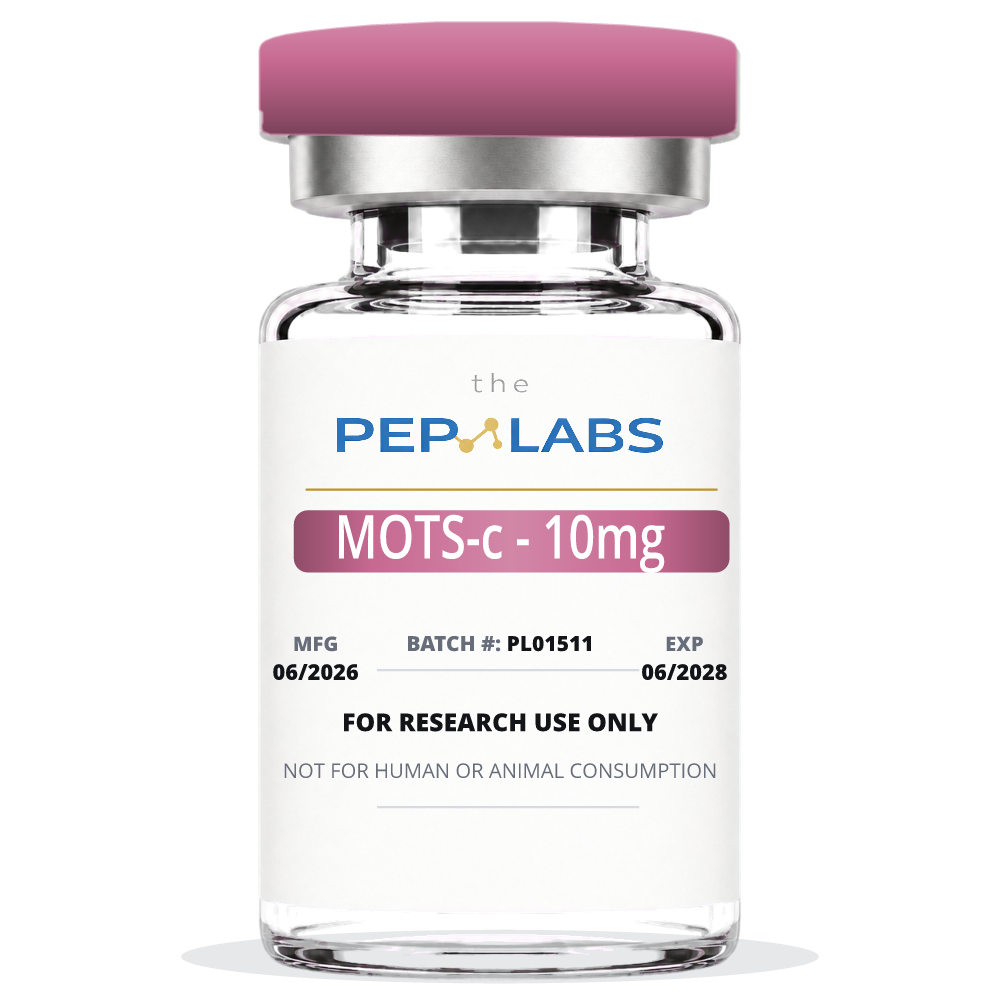
It’s better suited for dialing in your metabolism and preventing fat accumulation while you’re already training and eating well. If you’re looking for dramatic (fast weight loss like what GLP-1 drugs deliver), MOTS-c isn’t the right tool. Quality matters more for MOTS-c than most peptides because of the stability issue. What that vote does and doesn’t mean matters here.
Understanding what is common versus rare helps you calibrate expectations and recognize when something requires attention. Combining multiple AMPK activators can amplify both benefits and adverse reactions. Peptide quality and storage affects potency and purity. Someone with insulin resistance may respond differently than someone with excellent glucose control.